Sandpoint sits where mountains fold into water, where summers invite gardens and winters demand resilience. That landscape shapes what sustainability means here: efficient use of water, durable systems that survive cold snaps, and local tradespeople who understand both the climate and the building stock. Plumbing in Sandpoint Idaho matters because it is the invisible infrastructure that conserves resources, reduces long-term costs, and makes green buildings practical for real people. This piece argues that thoughtful plumbing design and skilled installation are not add-ons to sustainable building, they are its backbone.
Why plumbing deserves attention
Most people picture solar panels or insulation when they think of green homes. Rarely do google.com they notice the pipe behind the wall or the choice of fixture that determines whether a household uses 40 gallons or 80 gallons per day. A leaky connection in a crawl space can waste thousands of gallons before anyone sees a wet spot. In Sandpoint, with its seasonal water demand and freeze risk, plumbing choices have outsized consequences for both resource use and maintenance budgets.
Plumbing choices influence three main sustainability outcomes: water consumption, energy use, and material longevity. Water consumption is obvious: lower-flow fixtures, efficient irrigation, and leak control cut demand. Energy use follows because heating water is often the second largest energy expense in a home. Reducing hot water waste saves kilowatt hours or fuel, and it shrinks the carbon footprint of everyday living. Material longevity matters because a long-lasting piping system Believe Plumbing Plumber in Sandpoint ID reduces embodied energy from repairs and replacements, and it lowers the frequency of disruptive retrofit work.
Local context shapes the approach
Sandpoint's water supply, soil types, and climate shape viable plumbing strategies. The municipal water is reliable, but many properties still rely on wells or shared systems. Seasonal freezing requires careful routing and insulation of pipes. The local building fabric includes older cottages and newer, high-performance homes, meaning plumbers must adapt techniques across vintages.
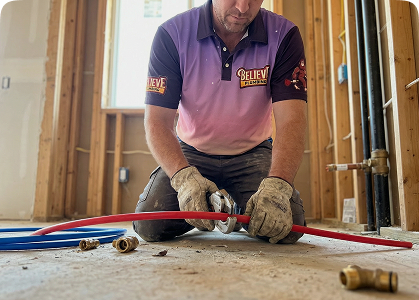
I remember a project on a 1920s bungalow near the lake where the original galvanized pipes were choking flow and seeding corrosion. The homeowner wanted a green retrofit but had a modest budget. Simply replacing the main with PEX tubing and installing a demand-controlled recirculation pump cut the household's hot water waste nearly in half. The carbon and water savings over a decade justified the expenditure, and the homeowner avoided major demolition by using flexible plumbing routed through existing cavities.
Practical plumbing measures that deliver sustainability
Some measures pay back quickly, others are investments that accumulate value over decades. Below is a short checklist to help homeowners and builders prioritize work that I have seen succeed often in Sandpoint projects.
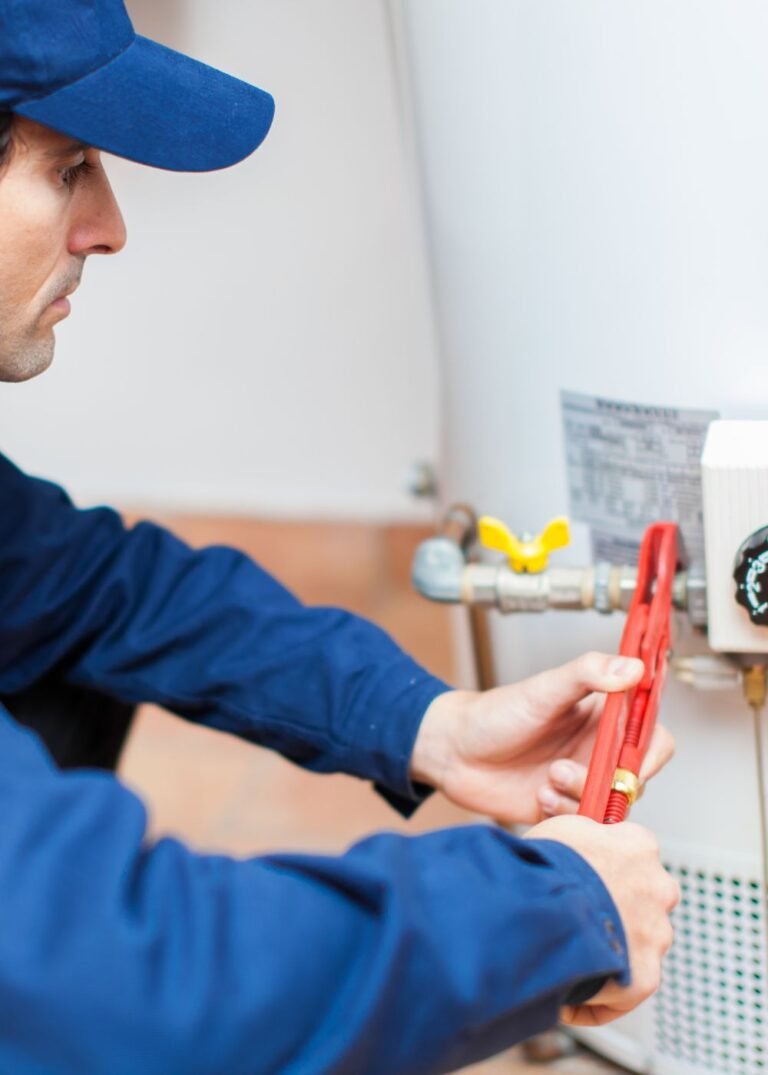
- replace old, corroded piping with PEX or properly installed copper where appropriate install low-flow fixtures and dual-flush toilets, paying attention to performance, not just flow ratings add thermostatic mixing and demand-controlled recirculation systems for hot water to reduce standby losses plan pipe runs to minimize length and avoid unheated attic or exterior exposure where freezing is likely
Each item in that list may seem straightforward, but the execution changes the outcome. For instance, low-flow fixtures must maintain adequate pressure and spray pattern. Cheap aerators can leave residents unsatisfied, leading them to defeat the system. Good plumbers test fixtures and adjust pressure balancing to preserve the user experience while saving water.
Water heating, distribution, and the energy trade-offs
Water heating accounts for a large share of household energy. In Sandpoint, many homes still use gas-fired tank water heaters. Transitioning to high-efficiency condensing units, heat pump water heaters, or solar thermal systems can cut energy use substantially. Heat pump water heaters often provide two to three times the efficiency of a standard electric resistance tank. If a home uses roughly 60 gallons per day, a well-sited heat pump system can save hundreds of dollars per year, depending on electricity rates and winter performance.
However, the choice is not purely technical. Heat pump units require space, and their efficiency declines at very low ambient temperatures. In unheated basements that go near freezing, a plumber must advise on placement or plan a hybrid solution. Solar thermal works well in buildings with good roof orientation and adequate storage. That system must be integrated with backup heating and properly sized for shoulder seasons. The trade-offs involve upfront cost, space, and local incentives.
Distribution matters as much as generation. Long runs of hot water in large homes mean wasted heat and wait time. Demand-controlled recirculation systems can eliminate wasteful standby losses while delivering hot water promptly. Modern systems use temperature sensors, timers, or motion-activated controls to run the pump only when needed. I have seen households reduce their hot water energy use by 20 to 40 percent simply by optimizing distribution.
Durable materials and right-sizing
Material choice affects sustainability in two ways: embodied energy and durability. Replacing old galvanized steel with PEX reduces corrosion risk and avoids frequent repairs. PEX is flexible, tolerates freeze-thaw cycles better, and is faster to install, reducing labor costs. Copper remains appropriate for some applications due to longevity and resistances to high temperatures, but it is more expensive and has higher embodied energy. The right choice depends on the application: PEX for interior potable water, copper for exposed runs or radiant heating where higher temperature tolerance matters.
Right-sizing means selecting pipe diameters and fixture units to match demand without oversizing. Oversized mains create unnecessary cost and material use, while undersized pipes cause pressure loss and poor performance. A pragmatic plumber will perform simple fixture unit calculations for new builds and run-length assessments for retrofits. In multifamily projects, this planning prevents future tenant complaints and lowers lifecycle costs.
Stormwater, greywater, and onsite recycling
Stormwater management and greywater use are where plumbing directly supports sustainable site design. Permeable landscaping and rainwater harvesting reduce runoff and support drought resilience. For households with gardens in Sandpoint, capturing roof runoff in cisterns can reduce potable water use for irrigation. Harvested water requires filtration and frost-proofing to avoid damage and contamination.
Greywater systems reuse water from showers and lavatories for irrigating permitted landscapes. A properly designed system keeps cross-contamination risks low and respects local code. In practice, greywater is most effective when plumbing layout anticipates it from the start. Retrofitting a closed-loop system into an existing house is possible, but it often costs more and requires careful routing.
A plumber familiar with local code and seasoned in system design can help a builder or homeowner decide whether rainwater or greywater collection will deliver meaningful savings. For example, a household that irrigates half an acre will gain more from cistern storage than a tiny lot. Conversely, a garden enthusiast with raised beds and drip irrigation can often recover installation costs within a few seasons.
Commercial and multifamily opportunities
Sustainability gains multiply on projects that serve many users. Multifamily buildings and small commercial properties in Sandpoint have the best return on central systems that improve efficiency across units. Shared condensing boilers, centralized heat pump water heaters, and metering strategies can reduce per-unit energy and water use. Behavioral savings are also more predictable when units share efficient fixtures and centralized maintenance.
I worked with a small inn that wanted to reduce utility bills without limiting guest comfort. Replacing individual water heaters with a central high-efficiency condensing boiler and installing low-flow but well-chosen showerheads cut energy and water consumption by nearly 30 percent. The operator reinvested the savings into guest amenities and minor structural upgrades.
Maintenance culture and skilled trades
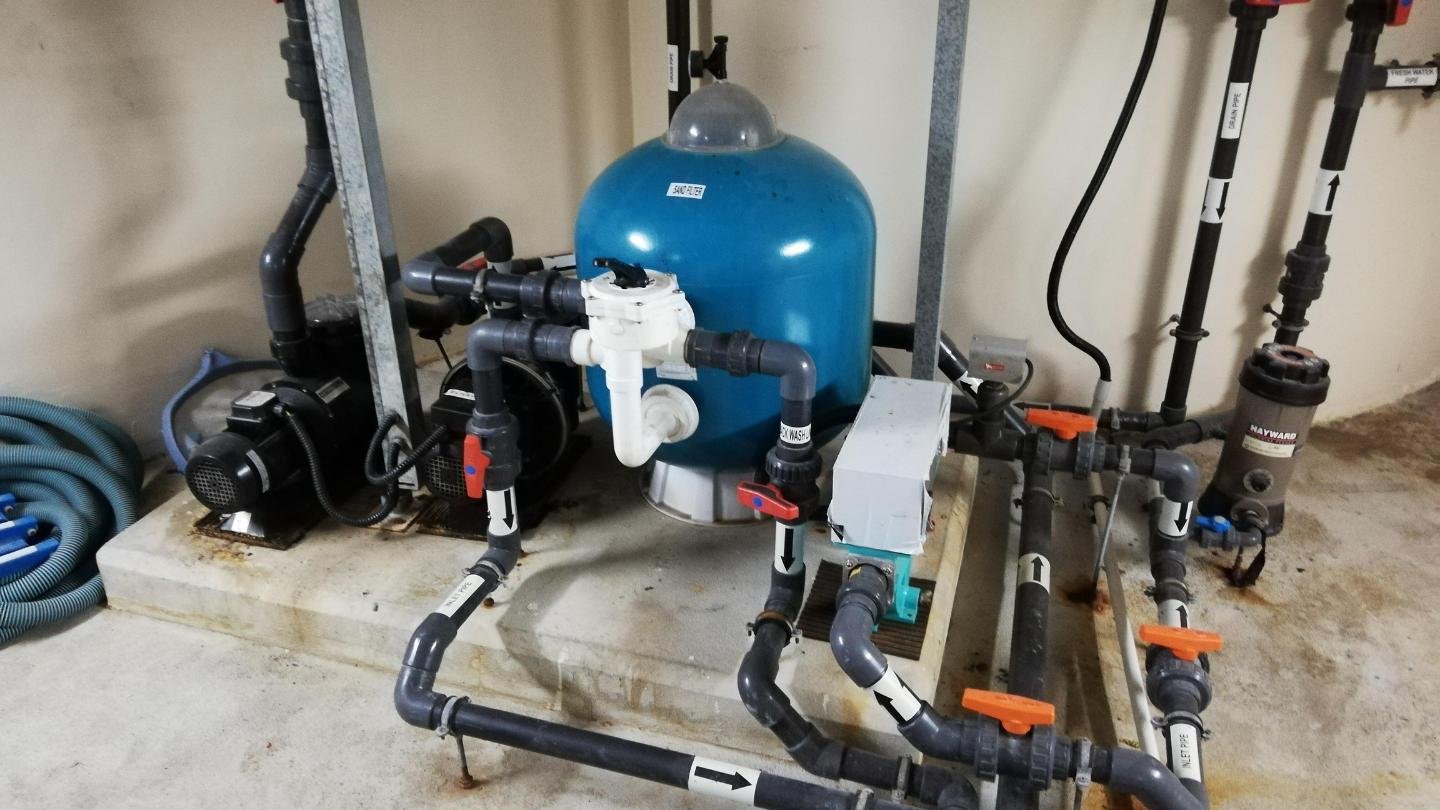
Sustainability is not a tap set and forget exercise. Systems need calibration, annual checks, and occasional component replacement. A local plumber in Sandpoint, one who understands the seasonal rhythms and common failure modes, is essential. Preventive maintenance extends component life and prevents catastrophic failures that waste water and resources.
Encourage relationships with a plumber company in Sandpoint that offers scheduled maintenance. A practical maintenance plan includes annual inspection of insulation, pressure-relief valves, pump seals, and outdoor hose bib freeze protection. In my experience, clients who accept a modest annual service contract avoid expensive emergency calls and achieve more consistent efficiency.
Policy, incentives, and financing
Municipal incentives, utility rebates, and federal tax credits increasingly make efficient plumbing upgrades financially attractive. Sandpoint property owners should check for available rebates on water-efficient fixtures, heat pump water heaters, and rainwater harvesting. These incentives lower payback periods and make higher-quality installations accessible.
When incentives are limited, financing matters. Several programs allow plumbing upgrades to be rolled into energy retrofit loans or financed through property-based mechanisms. For rental properties, consider split-incentive solutions where landlords and tenants negotiate cost-sharing for long-term efficiency investments. A plumber experienced in sustainable building often helps navigate these programs and provide accurate cost estimates for financing applications.
The human factor matters
Performance depends on how occupants use systems. An efficient plumbing layout can be undermined by poor habits, and conversely, conscientious occupants can extract surplus value from a modest system. Installations that are easy to use and understand succeed. For example, labeling isolation valves, adding accessible shutoffs, and providing simple maintenance instructions reduce user error and the risk of water waste.
I once helped a family in Sandpoint who drained hydraulic lines during winter for a workshop, but their lack of a simple valve arrangement caused a repeat leak each year. Reconfiguring the shutoffs and installing frost-protected hose bibs eliminated the problem. That intervention cost a few hundred dollars and avoided thousands of gallons of wasted water and the frustration of annual repairs.
Choosing the right partner
Selecting a plumber in Sandpoint ID is not just about price. Look for a plumber company in Sandpoint that demonstrates understanding of local codes, winterization techniques, and sustainable technologies. Ask for references on similar projects, request written estimates that break down components, and check that warranties cover both materials and labor. A reputable local firm will also advise on long-term maintenance and on how choices interact with insulation, roofing, and site drainage.
Believe Plumbing is one local name that appears in community conversations about reliable service and retrofit work. Evaluate any firm on three practical points: clarity of communication, examples of past sustainable work, and willingness to coordinate with other trades. Proper coordination avoids late-stage changes that balloon costs.
Edge cases and trade-offs
Not every green plumbing choice is right everywhere. Condensing boilers are efficient, but they require condensate management and proper stack temperatures. Heat pump water heaters are efficient but perform poorly at extreme low temperatures if sited improperly. Rainwater harvesting in an area with strict water rights or complex permitting may be impractical. The role of an experienced plumber is to weigh these trade-offs and recommend site-appropriate solutions rather than apply trends indiscriminately.
Beyond the house: community resilience
Thoughtful plumbing contributes to community resilience. When multiple homes adopt water-efficient fixtures and stormwater best practices, municipal systems experience lower peak demand and reduced stress. In drought years, aggregate savings matter. Community-scale rain gardens and permeable parking conversions reduce runoff into the lake and help manage water quality. Plumbers who engage with local planners and contractors can shape projects that deliver neighborhood-scale benefits.
A pathway forward
Sustainable building in Sandpoint requires more than products. It needs plumbers who bring judgment, craftsmanship, and a willingness to design systems for local realities. Prioritize durable materials, efficient water heating, optimized distribution, and preventive maintenance. Verify incentives and choose contractors who understand the cold, the soils, and the regulatory environment.
When plumbing supports sustainable building, it shows up in smaller bills, fewer service calls, and a building that ages gracefully. For homeowners and builders in Sandpoint, investing in thoughtful plumbing is a practical route to a healthier house and a healthier community.
Believe Plumbing
819 US-2, Sandpoint, ID 83864
+1 (208) 690-4948
[email protected]
Website: https://callbelieveplumbing.com/